
Dental coverage is most valuable when employees can understand it, find care, and use it without unpleasant cost surprises. Employers reviewing options such as Delta Dental Insurance should look beyond premiums and plan summaries to consider the day-to-day experience their people will have when they need an appointment.
A usable dental benefit supports routine care before discomfort becomes an urgent problem. It also gives employees clear answers about covered services, provider choices, expected out-of-pocket costs, and where to get help when a claim or directory creates confusion.
Why Usable Dental Benefits Matter
Offering a dental plan is only the starting point. If employees cannot identify an in-network dentist, do not know whether cleanings are covered, or postpone treatment because the cost structure feels unclear, the benefit may not deliver the practical value the employer intended. A stronger approach joins sound plan design with clear communication and accessible care.
Routine care matters because dental problems can develop before an employee notices symptoms. Employees who know how to use preventive benefits may be better positioned to seek care early, ask questions before treatment, and avoid making decisions under the pressure of pain or an urgent appointment.
Start With Employee Needs
Before renewing or changing coverage, gather evidence rather than relying on assumptions. Consider the workforce’s locations, family makeup, work schedules, languages, and the practical realities of remote, traveling, hourly, and shift-based employees.
Use feedback to identify barriers
- Send a brief anonymous survey that asks about provider access, appointment times, affordability concerns, transportation, and plan confusion.
- Review enrollment patterns alongside broad utilization information supplied by the plan administrator.
- Ask employees whether they can locate nearby dentists accepting the plan, not merely whether the network appears large on paper.
- Invite benefits and payroll teams to share recurring questions they receive during enrollment and throughout the year.
This process helps separate a genuine workforce need from a benefit decision based only on past practices or industry norms.
Review The Plan Design
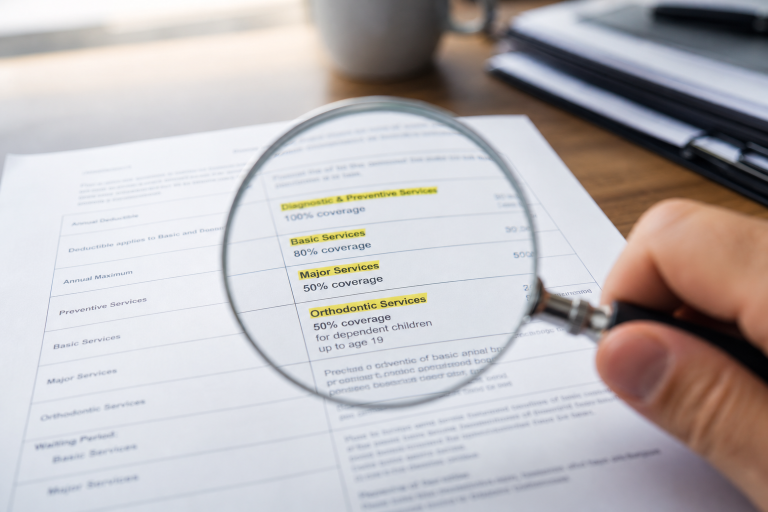
A plan comparison should cover more than the employer contribution and the monthly employee cost. The features of a comprehensive dental benefits plan outlined by the American Dental Association emphasize preventive services, clearly described limitations, and understandable cost-sharing terms.
Use a consistent review checklist for every option:
- Preventive and diagnostic coverage, including visit-frequency rules.
- Deductibles, copayments, coinsurance, and annual maximums.
- Benefits for basic care, such as fillings, and major services, such as crowns or dentures.
- Exclusions, missing-tooth clauses, and replacement rules.
- Orthodontic coverage is relevant when it is needed by the employee and their dependents.
- Out-of-network reimbursement rules and any balance-billing exposure.
- Coordination-of-benefits procedures for employees who have coverage through another plan.
Make Preventive Care Easy To Use
Employees should not need to decode a lengthy benefits booklet to schedule an exam or cleaning. During onboarding, open enrollment, and renewal periods, explain what preventive care includes, where employees can search for a dentist, and whether a deductible applies before those services are covered.
The CDC advises adults to visit a dentist at least once a year, including people who wear dentures or have lost teeth. Employers can reinforce that guidance with short reminders and simple examples of how a routine visit may work under the plan. Avoid promising that every service will be covered, since individual treatment needs and plan provisions can differ.
Check Network Access And Convenience
Network size is not the same as convenient access. Test the provider search tool from several employee ZIP codes, including locations near worksites, homes, and common commuting routes. Confirm whether listings show current contact information, whether offices are accepting new patients, and whether the available hours suit employees who cannot attend weekday appointments.
Pay particular attention to rural areas, communities with limited provider availability, and employees who travel or work remotely. A benefit team should also know the process for correcting an outdated directory listing and the escalation path when an employee cannot get a timely answer about eligibility, claims, or provider status.
Explain Costs In Plain Language
Beneficial communication is more useful when it defines core terms with plain examples. A deductible is the amount an employee may pay before certain benefits begin. A copayment is a fixed amount for a covered service. Coinsurance is a percentage of the allowed charge, and an annual maximum is the plan’s limit on what it will pay during a benefit period.
Give employees scenario-based guidance instead of only a dense chart. For example, explain that an in-network cleaning may be covered differently from a crown, and encourage employees to request a written treatment estimate before proceeding with major services. Keep plan documents, provider search instructions, and support contacts in one easy-to-find location.
Support Different Workforce Needs
A single plan can affect employees differently depending on income, age, family responsibilities, health history, location, and schedule. Offer communications in the languages employees use, use accessible digital formats, and avoid assuming that everyone has a regular dentist or identical care needs.
Employees caring for children or older relatives may need help understanding dependent coverage. Remote workers may need guidance on nationwide access, while shift workers may value information about offices with evening or weekend hours. Inclusive communication makes the benefit more practical for more people.
Measure Results Without Invading Privacy
Employers can assess the benefit without collecting unnecessary personal health information. Review aggregate enrollment, broad preventive-care trends, employee satisfaction results, common support questions, unresolved complaints, and recurring access concerns. Use the findings to improve plan education, provider-search support, and future plan decisions, not to evaluate individual employees.
A Simple Action Plan
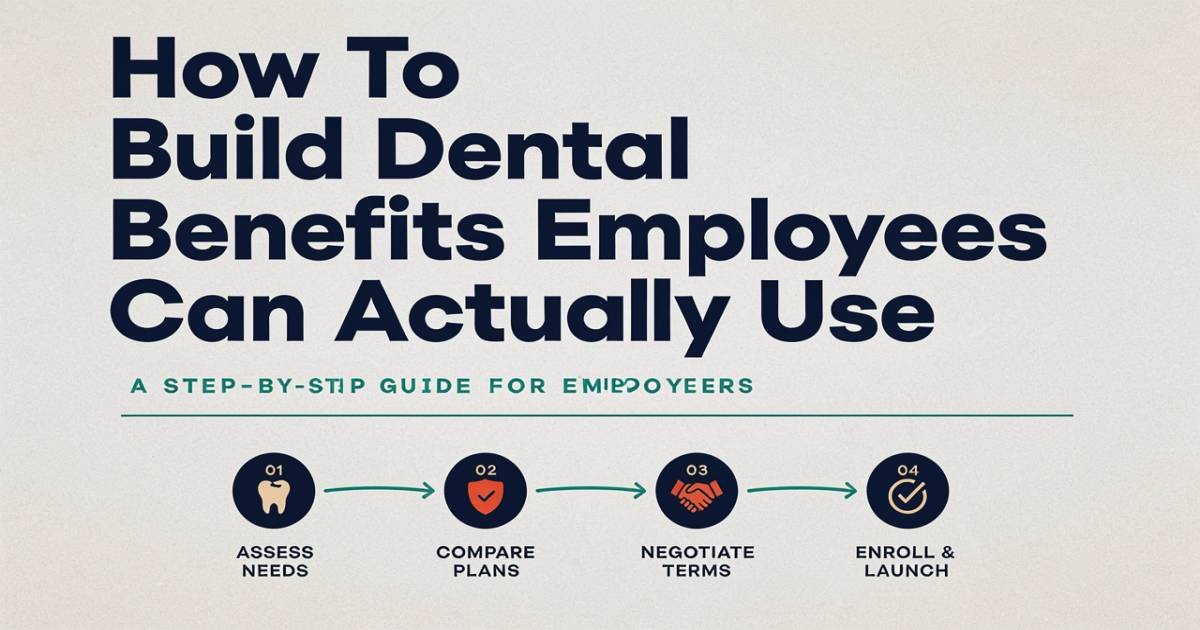
- Gather feedback: Ask employees what makes dental care difficult to use.
- Review plan details: Compare coverage, limits, exclusions, and employee cost sharing.
- Test access: Search provider availability from multiple workforce locations.
- Simplify communication: Replace jargon with concise definitions and realistic examples.
- Promote preventive care: Share reminders at moments when employees are most likely to act.
- Measure and adjust: Review aggregate trends annually and update the strategy as workforce needs change.
Final Thoughts
Effective dental benefits are not defined by price, network claims, or plan size alone. Employees receive more value when coverage is understandable, costs are explained before treatment, providers are realistically accessible, and support is easy to reach. In 2026, employers that evaluate both plan design and real-world usability can create a dental benefit that employees are more prepared to use with confidence.