

What is the blog BlueFlamePublishing, and why do so many searches lead here? If you typed in that exact phrase, you probably landed on a handful of pages that each describe it a little differently. Some call it a creative hub. Some tie it to publishing history. Others call it a modern platform for writers and businesses. That kind of mixed picture is common with newer or fast-growing web names; the story hasn’t settled into one clear version yet, and the search results show it.
This guide takes a more grounded approach. Instead of repeating claims about ownership, size, or history that can’t be checked, it treats the blog BlueFlamePublishing as what it actually functions as in the searches people run: a name attached to writing, blogging, and digital content creation. From there, you’ll get guidance you can use right away, whether you’re reading content under this name, writing your own, or simply trying to make sense of what turned up in your search.
By the end, you’ll know the subject area this name sits in, what strong content in that space looks like, and how to build or judge it with confidence. No guesses about who runs it or how big it is just a clear, practical look at the topic.
What Is The Blog BlueFlamePublishing?
Understanding the BlueFlamePublishing Name and Online Presence
The name shows up across several similar web addresses, and the details attached to it shift from source to source. That pattern usually points to one of two things: a newer name still building one consistent identity, or a name used loosely by more than one publisher. Rather than pick a version to repeat, the honest starting point is this: treat any specific claim about the platform a founding date, an ownership detail, a traffic figure, a history as unconfirmed unless you can verify it directly on the site through clear author and contact information.
What matters more for readers is the subject area the name keeps showing up in: writing, blogging, self-publishing, and content strategy. That’s an established field with real, testable practices, and that’s where this guide puts its focus.
What Kind of Content Can Readers Expect From Blog BlueFlamePublishing?
Based on the subject area tied to the name, readers can expect articles touching on:
- Writing craft and storytelling technique
- Blogging structure and content strategy
- Self-publishing steps and options
- Search visibility and on-page optimization
- Personal branding for writers and creators
- Digital creativity and content production
If you’re judging any article under this name, check whether it actually delivers on these topics with specific detail, not just broad statements about creativity and growth.
Who Is The Blog BlueFlamePublishing For?
Content in this space tends to speak to three groups: new writers looking for a starting point, active bloggers wanting sharper strategy, and independent creators trying to turn scattered ideas into a real body of work. If you fall into one of these groups, the practical sections below are built for you.
Why Writers and Digital Creators May Be Interested in BlueFlamePublishing
From Writing Ideas to Published Content
Most writers don’t struggle with ideas. They struggle with turning an idea into a finished, published piece. A name like this becomes useful mainly as a prompt, a reminder to move from “I should write about that” to an actual draft, edit, and publish cycle.
Building a Consistent Online Writing Presence
One useful post rarely builds an audience on its own. A recognizable presence comes from publishing on a set schedule, sticking to a handful of core subjects, and letting readers know what to expect from you each time they visit.
Developing a Recognizable Author or Creator Voice
Voice is what separates a memorable writer from an interchangeable one. It shows up in word choice, pacing, and the specific angle you take on a common topic, not in trying to sound like every other creator in your niche.
Turning Useful Content Into Long-Term Digital Assets
A well-researched, well-written article can keep bringing readers in for years after it’s published. Treating each post as a small, lasting asset, not a one-time update, changes how much care goes into researching and structuring it.
The Main Content Areas Writers Should Explore
Writing and Storytelling
Strong writing comes from clear structure, specific detail, and sentences that respect the reader’s time. Storytelling technique a clear beginning, a real stake, a resolution applies just as much to a how-to article as it does to fiction.
Blogging and Content Strategy
Blogging works best as a system, not a series of unconnected posts. A content strategy sets your core topics, how often you publish, and how each new post connects to what you’ve already written.
Self-Publishing and Author Development
Writers exploring self-publishing need a realistic view of what’s involved: manuscript preparation, formatting, cover design, distribution choices, and marketing, each with its own learning curve.
Search Visibility and Discoverability
Getting found in search isn’t about tricking an algorithm. It’s about matching what people are actually searching for, answering it clearly, and structuring the page so both readers and search engines can follow it easily.
Personal Branding and Audience Growth
A personal brand is built from consistency: the same voice, the same core topics, and the same values shown across every piece of content, not a one-off rebrand.
Digital Creativity and Content Production
Beyond writing, digital creators often work across formats video, audio, graphics while keeping one consistent message running through all of them.
How Can Writers Use The Blog BlueFlamePublishing Effectively?
Start With a Clear Writing Goal
Before drafting anything, decide what the piece needs to do: teach something, answer a specific question, or move a reader toward an action. A clear goal shapes every choice that follows.
Choose Topics Based on Reader Problems
The strongest topics start with a real problem readers are trying to solve, not a subject you simply feel like covering. Search behavior, reader questions, and comment sections are good places to spot these problems.
Research Before Writing
Good research means checking several credible sources, noting where they agree and disagree, and forming your own view, not copying the structure of the first article you find.
Add First-Hand Experience and Original Examples
A generic explanation is easy to find anywhere. A specific example from your own experience, a real number, or a genuine case is what makes an article worth reading.
Structure Articles for Scanning and Readability
Most readers scan before they commit to reading in full. Short paragraphs, descriptive subheadings, and the occasional list help a reader quickly confirm the article is worth their time.
Connect Individual Posts Into a Larger Content Strategy
A single post answers one question. A strategy links related posts together, so a reader who finishes one piece has a clear next step to explore.
Measure What Readers Actually Find Useful
Comments, time on page, and return visits tell you more about what worked than guesswork does. Reviewing this data on a regular basis helps you write better next time, not just more often.
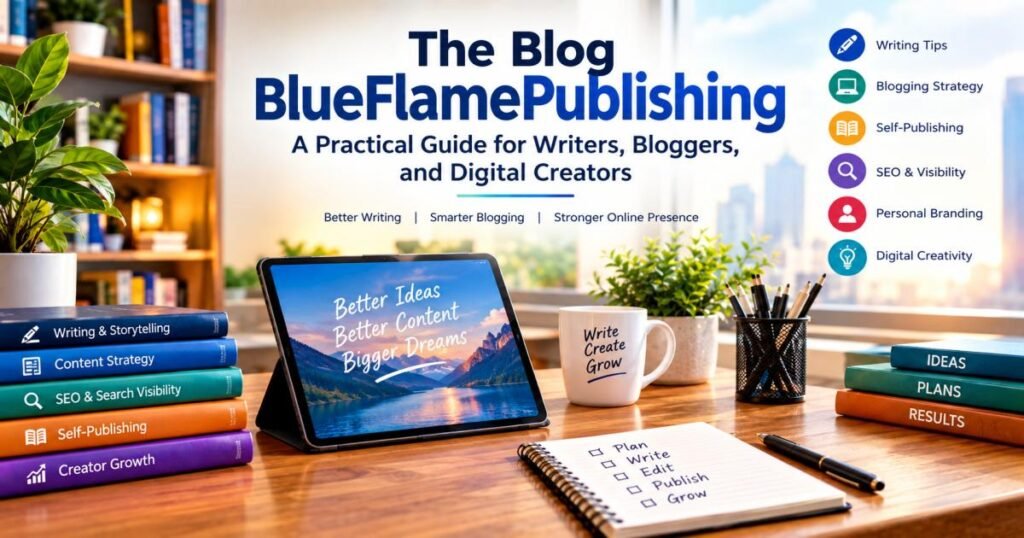
A Practical Content Workflow for Bloggers and Creators
Step 1 — Find a Specific Topic
Narrow a broad subject down to one specific angle a reader can act on right away.
Step 2 — Identify Search Intent
Work out whether the reader wants a definition, a comparison, a how-to, or a decision, then write to match that intent.
Step 3 — Research Reliable Sources
Pull from primary sources, established publications, and direct experience rather than other blog posts covering the same keyword.
Step 4 — Create a Useful Outline
An outline built around the reader’s questions, in a logical order, saves rework later and keeps the draft focused.
Step 5 — Write With a Human Voice
Write the way you’d explain the topic to someone sitting across from you: clear, direct, and free of stiff, overly formal phrasing.
Step 6 — Add Examples, Evidence, and Original Insights
Back up claims with data, real examples, or firsthand experience rather than vague statements that could apply to any topic.
Step 7 — Work Search Terms In Naturally
Fit your keyword and its natural variations into the title, introduction, and a few headings, without forcing it into sentences where it doesn’t belong.
Step 8 — Fact-Check and Edit
Verify every claim, cut anything that doesn’t earn its place, and tighten sentences that ramble.
Step 9 — Publish With Author and Source Information
Clear authorship and cited sources build trust with readers and search engines alike.
Step 10 — Update the Content When the Facts Change
Revisit older posts when information changes, rather than leaving outdated claims live indefinitely.
How Do You Build Real Trust and Authority Around BlueFlamePublishing Content?
Experience Shows What You Have Actually Done
Real experience shows up as specifics: what you tried, what happened, what you’d do differently, not just a claim that you’re experienced.
Expertise: Explain the “Why,” Not Just the “What”
Anyone can list steps. Expertise shows in explaining why each step matters and what happens when it’s skipped.
Authority: Use Relevant, Credible Sources
Citing established, checkable sources, rather than other unverified blog posts, signals that your content can be trusted on the subject.
Trustworthiness: Be Transparent About Facts, Sources, and Limitations
Being upfront about what’s confirmed, what’s uncertain, and what’s simply your opinion protects reader trust more than confident-sounding guesses do. On average, articles that name their sources and limitations directly earn more repeat readers than ones that state everything as settled fact.
Why Author Information and Editorial Transparency Matter
A named author, a visible publishing date, and a way to contact the site all signal that real people stand behind the content, a basic trust marker too many sites skip.
How to Avoid Unsupported Claims
If a fact can’t be traced to a credible source or direct experience, either qualify it clearly or leave it out entirely.
Also Read: Aajkitajikhabar.com Business: Complete Guide
How Do You Optimize a Blog BlueFlamePublishing Article for Search?
Match Search Intent Before Adding Keywords
Confirm the article actually answers what the searcher wants before worrying about keyword placement.
Use “The Blog BlueFlamePublishing” Naturally
The phrase should read like something a person would actually type or say, appearing where it fits the sentence rather than being repeated on a mechanical schedule.
Build a Cluster of Related Terms
Related terms blogging platform, digital content creators, writing guide, and self-publishing tips reinforce the main topic without repeating the exact keyword every time. Working in question-based phrases such as “what does BlueFlamePublishing cover” or “how do bloggers use BlueFlamePublishing” also helps the page match how people actually search.
Create Descriptive Headings
Headings that describe exactly what a section covers help both readers scanning the page and search engines indexing it.
Use Internal Links to Build Topic Depth
Linking to related articles on your own site strengthens your coverage of the wider topic and keeps readers exploring longer.
Cite External Sources Where Claims Require Evidence
Any statistic, study, or specific fact should point back to a credible, checkable source.
Optimize Images, Alt Text, URLs, and Metadata
Descriptive file names, alt text, and a clean URL all support both accessibility and search visibility.
Avoid Keyword Stuffing and Algorithm-First Writing
Content written mainly for an algorithm reads awkwardly and tends to lose ranking over time compared with content written for a person first.
Common Mistakes to Avoid When Writing About BlueFlamePublishing
Repeating the Same Generic Definition
Restating a vague, unsupported description of the platform in different words doesn’t add value for the reader.
Making Unverified Platform or Business Claims
Specific numbers, founding stories, or reach figures that can’t be confirmed should never be presented as settled fact.
Treating Search Optimization as Keyword Repetition
Getting found in search comes down to structure and relevance, not how many times a phrase appears on the page.
Publishing Filler Without Original Value
Content that only restates common knowledge without a specific angle or example adds little for the reader or for how the page performs in search.
Using Anonymous or Unclear Authorship
Missing author information makes it harder for readers to trust the content, no matter how well it’s written.
Copying the Structure or Wording of Competing Articles
Mirroring another article’s outline and phrasing produces a derivative piece that rarely outperforms the original.
Covering Too Many Topics Without a Clear Purpose
An article trying to cover writing, crypto, marketing, and self-publishing all at once usually does none of them well.
The Blog BlueFlamePublishing vs. a Generic Blogging Website
Topic Focus
A name built around writing and content creation should stay close to that focus rather than drifting into unrelated subjects.
Practical Value
The measure that matters is whether a reader leaves with something they can actually use, not how polished the homepage looks.
Writer Experience
A site worth returning to makes it easy to find related content and understand what to expect from future posts.
Originality and Editorial Quality
Original analysis and real examples set a site apart from ones recycling the same generic points found everywhere else.
Trust and Transparency
Clear authorship, honest sourcing, and no inflated claims are what separate a trustworthy site from a forgettable one.
How Do You Know if a BlueFlamePublishing Article Is Worth Reading?
Is the Author Identified?
A named, identifiable author is a basic sign that real accountability sits behind the content.
Does the Article Provide Original Insight?
Look for at least one point, example, or angle you haven’t already read elsewhere on the same topic.
Is the Information Current?
Check for a visible publish or update date, especially on anything related to tools, platforms, or search practices.
Can Readers Apply the Advice?
Useful content gives you a next step, not just a description of the topic.
Is the Purpose of the Content Clear?
You should be able to tell within the first few lines whether the article aims to inform, sell, or persuade.
A Simple BlueFlamePublishing Content Strategy for Writers
Choose 3–5 Core Content Pillars
Picking a handful of core topics keeps your content focused and easier for readers to follow over time.
Build Topic Clusters Instead of Isolated Posts
Grouping related articles around a shared theme, linked together, builds more depth on a subject than scattered, unconnected posts.
Combine Evergreen and Timely Content
Evergreen posts bring in steady traffic long-term, while timely posts capture attention around current interest.
Turn One Idea Into Multiple Content Formats
A single well-researched idea can become an article, a short video, and a social post, each reaching readers who prefer a different format.
Build a Portfolio of Demonstrable Expertise
A consistent body of specific, well-researched work does more to establish expertise than any single impressive-sounding claim.
Final Takeaway
The clearest way to approach the blog BlueFlamePublishing is as a starting point, not a settled authority. The name sits in a genuinely useful subject area: writing, blogging, self-publishing, and content strategy. That space rewards the same things good content has always rewarded: real research, original insight, honest sourcing, and a clear focus on what the reader actually needs. Whatever you read under this name, apply that same standard, and you’ll get more value from it than any platform claim alone could offer.
FAQs
What is the blog BlueFlamePublishing?
It’s a name associated with writing, blogging, and content creation. Claims about ownership or history vary across sources and aren’t independently confirmed, so it’s best approached as a subject area rather than one verified entity.
What type of content does BlueFlamePublishing cover?
Based on available descriptions, the associated content spans writing craft, blogging strategy, self-publishing, search visibility, and personal branding for creators.
Is BlueFlamePublishing useful for new writers?
The subject area is useful for new writers regardless of the specific source, since writing fundamentals, blogging strategy, and self-publishing basics apply broadly.
Can bloggers use BlueFlamePublishing for content ideas?
Yes. The general topics tied to the name, including content strategy and personal branding, are a reasonable starting point for topic ideas.
What can digital creators learn from BlueFlamePublishing?
The core lessons are the same ones that apply across content creation generally: consistency, original insight, and a clear content strategy.
How can writers create content that works for both search engines and readers?
Match search intent, back up claims with real evidence, structure content for easy scanning, and keep the reader’s actual problem at the center of the piece.
How can I verify information published about BlueFlamePublishing?
Look for a named author, a visible contact method, and claims that can be checked against outside sources, and treat anything that can’t be confirmed as unverified rather than settled fact.



[…] VocalNewsMedia com does not use a formal, labeled category system the way large news outlets do. Its blog feed covers recurring topic areas instead, mainly technology and business, lifestyle and wellness, and general practical guides. […]
[…] News mainly covers technology, gaming, apps, and practical guides. Here is how each area typically plays […]